What to look for when choosing LED lighting
Two LED fixtures that look the same can differ greatly in light quality, lifespan and energy use. Check these ten points before you buy.
1. Look at lumens, not watts
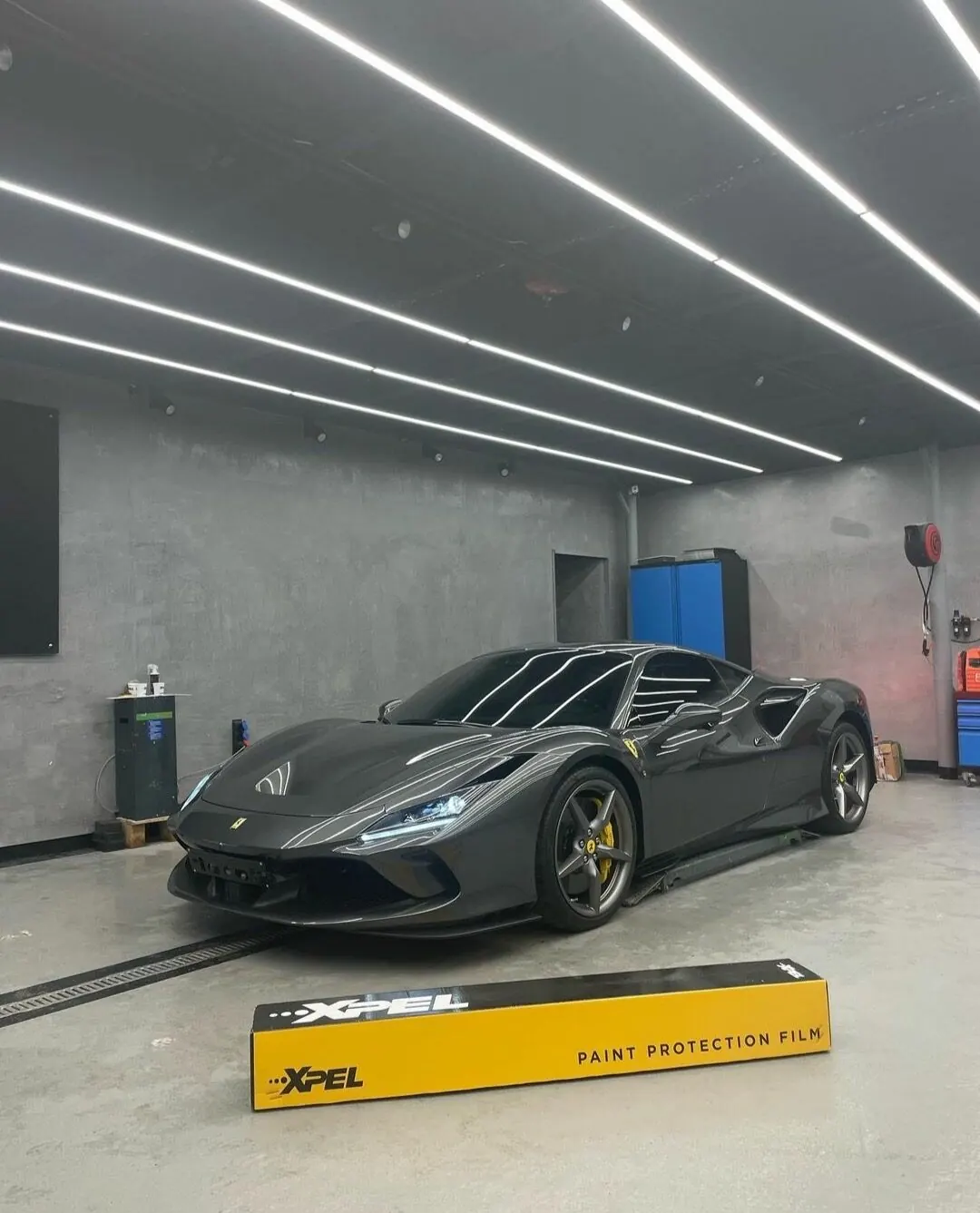
Watts tell you how much electricity a fixture uses; lumens (lm) tell you how much light it gives. When comparing products, look at the lumen output and the efficiency in lumens per watt (lm/W). A good LED fixture delivers 100 lumens per watt or more.
2. Choose the right colour temperature
Warm white (3000K), natural white (4000K) or cool white (6500K): use this guide to choose the right colour for your space.
3. Check the colour rendering (Ra)
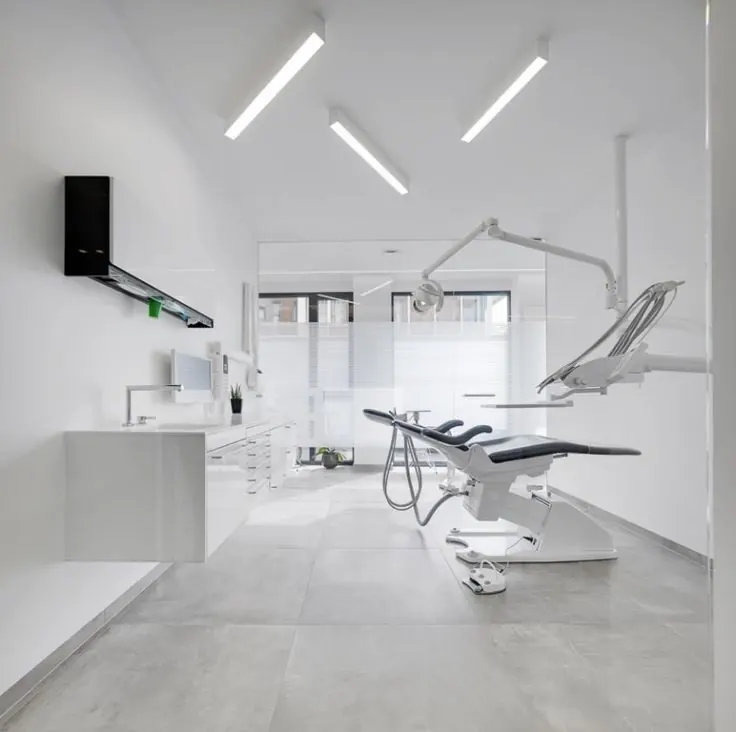
The colour rendering index (CRI, Ra) runs from 0 to 100 and describes how naturally light shows colours. Ra 80 or more is recommended for general use, and Ra 90 or more for shops, showrooms and clinics.
4. Ask for flicker-free light
Poor drivers make light flicker faster than the eye can notice, which causes headaches and eye strain. A simple test: point your phone camera at the light. If you see rolling bands on the screen, the light is flickering.
5. Ask about driver quality
The driver that powers the LEDs is the part most likely to fail. Branded drivers with protection circuits and a warranty extend the fixture's life and prevent flicker.
6. Look at heat management
As LEDs heat up, they give less light and wear out faster. Aluminium housings spread the heat and protect the LEDs. Lifespan is usually given as "L70": L70 50,000 hours means the fixture still gives at least 70% of its original light after 50,000 hours.
7. Check glare and light distribution
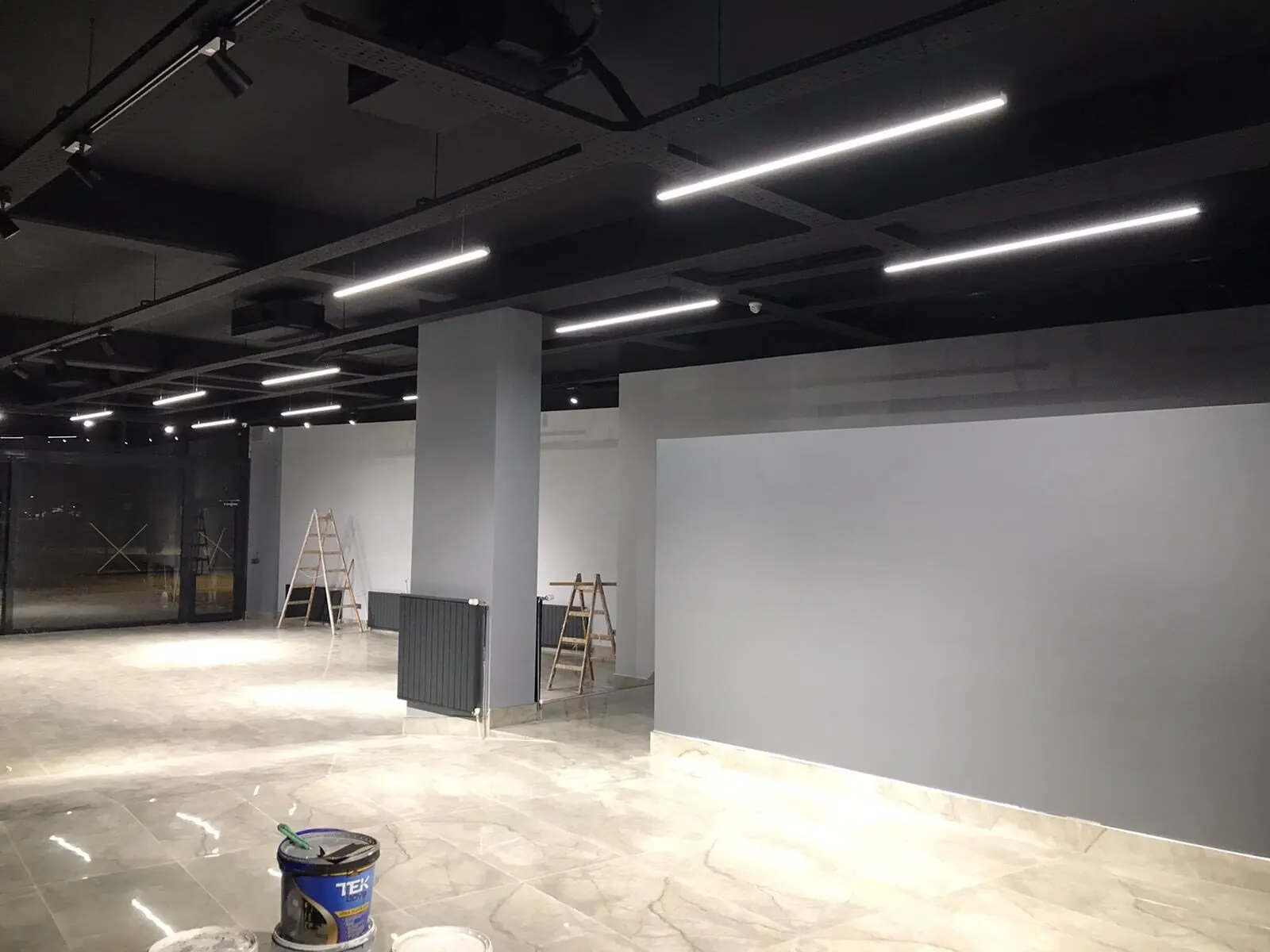
Opal diffusers hide the individual LED points and spread the light evenly. For offices, choose products with a glare rating (UGR) below 19. With linear fixtures, the light should be continuous and even from end to end.
8. Pay attention to colour consistency
All fixtures in a project should give the same shade of light. Products from different batches can look slightly more yellow or more blue. That is why it is best to buy all fixtures for a project at once, from the same manufacturer.
9. Choose the right protection rating (IP)
The IP rating shows how well a fixture resists dust and water. IP20 is enough for dry interiors such as offices and shops; damp areas such as bathrooms and wash bays need at least IP44, and outdoor use needs IP65 or higher.
10. Settle installation, size and warranty
Decide early on the mounting type that suits your ceiling (recessed, surface or suspended), the sizes you need and whether the light should be dimmable. Always ask about the warranty period and after-sales support before you buy.
When you ask for a quote, request the lumen, Ra and driver details. Message us on WhatsApp about our products and size options.